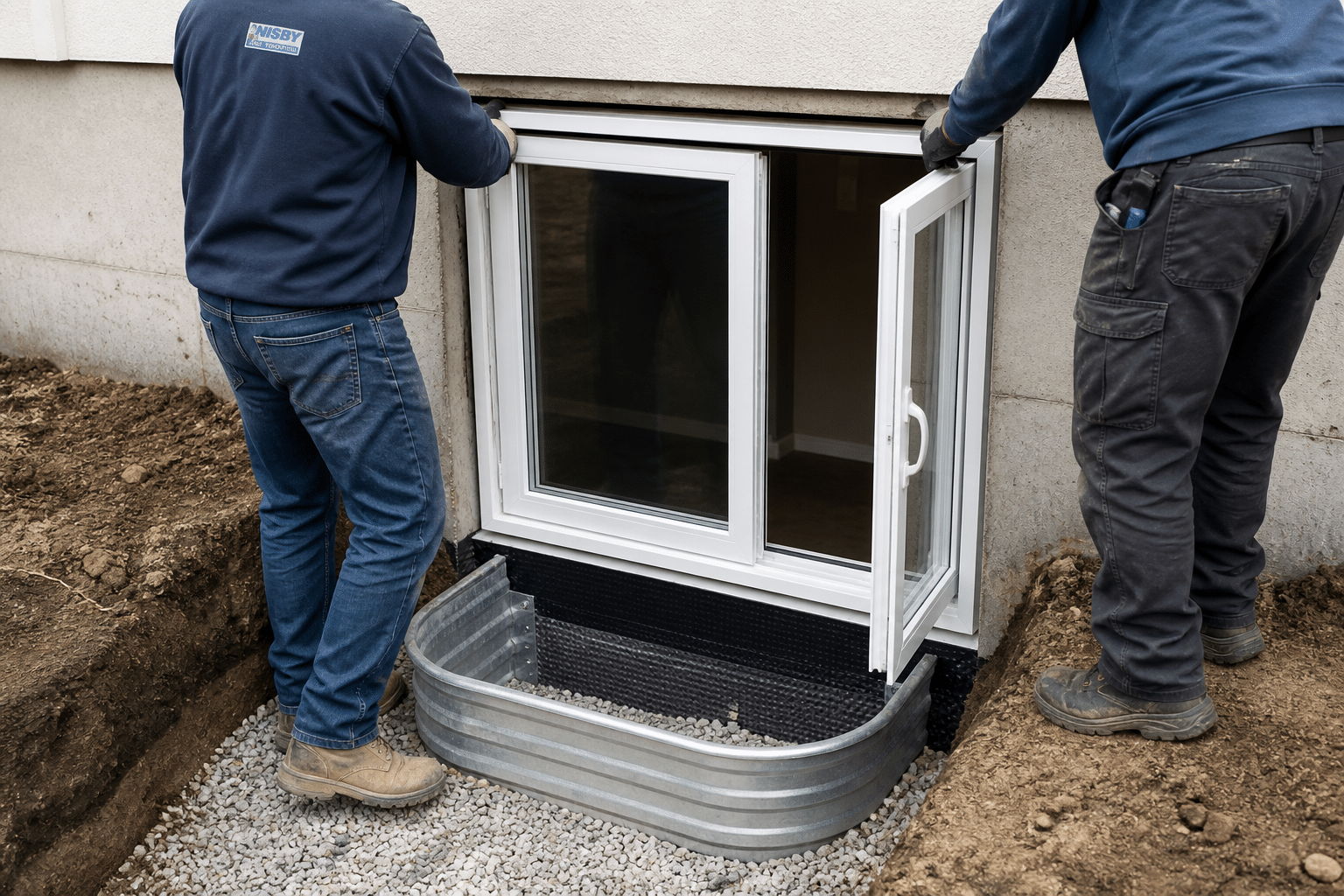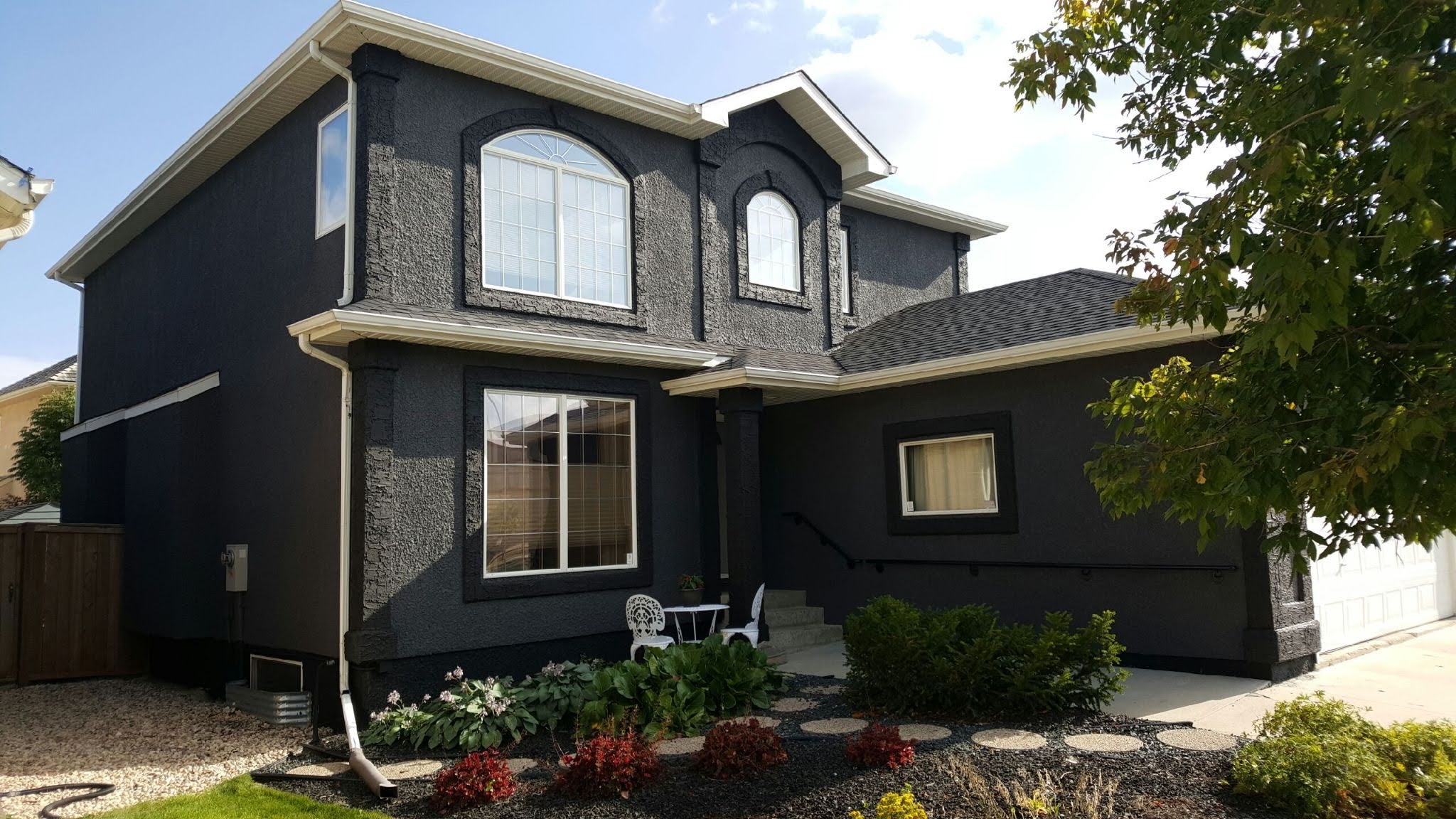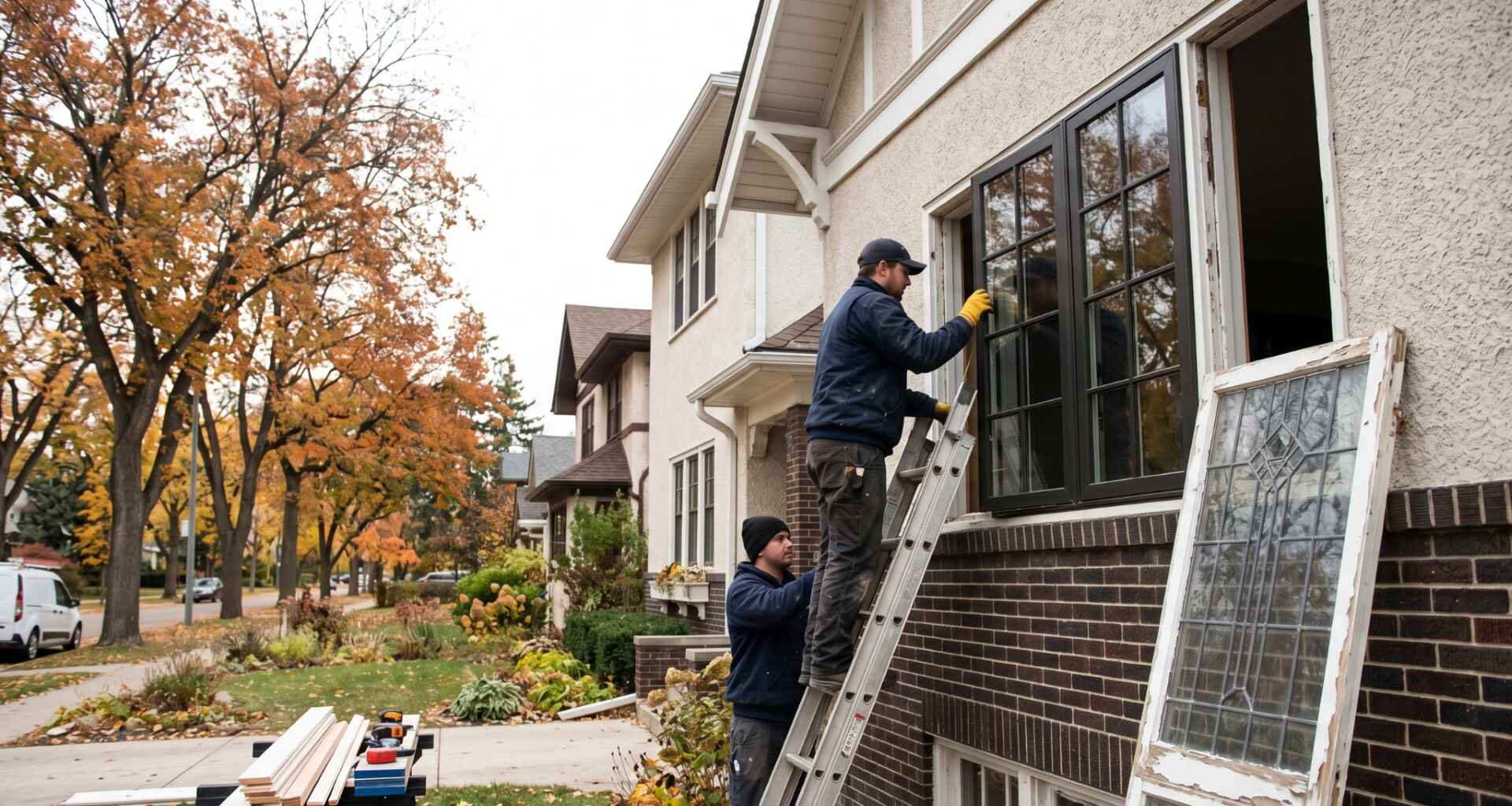
Replacing windows in a 1930s River Heights home means balancing two goals: Preserving the character that makes these properties worth living in and upgrading performance to handle everything a Winnipeg winter demands.
Why Window Replacement Matters In River Heights
River Heights is one of Winnipeg’s most established neighbourhoods, bounded by the Assiniboine River to the north, Kenaston Boulevard to the west, and Taylor Avenue to the south. Much of the housing stock between Wellington Crescent and Corydon Avenue was built between 1905 and the early 1930s, including Craftsman Bungalows, Tudor Revivals, and Colonial Revival homes on generous lots beneath mature elm canopies.
That heritage charm comes with a tradeoff. Original single-pane wood windows were never designed to meet modern energy standards. After 80 or 90 years, they’re often warped, painted shut, or leaking around the frame. Homeowners along Academy Road know the appeal of these properties; they also know the heating bills that come with them.
Understanding the benefits of installing new windows puts the investment in perspective. New windows reduce heat loss, lower noise from busy corridors like Corydon Avenue, and address moisture damage that often spreads undetected in older frames. According to energy consumption statistics in Canada, space heating accounts for the largest share of residential energy use, and windows are among the most significant contributors to heat loss in older homes. Window replacement is one of the most practical ways to improve energy efficiency during renovation without altering the streetscape.
How To Upgrade Windows Without Losing 1930s Character
The concern most River Heights homeowners raise is whether new windows will look out of place. It’s fair; the wrong window on a 1930s Tudor or Craftsman can make a thoughtfully maintained home look generic overnight.
Modern manufacturers have developed profiles, grille patterns, and frame options suited to character homes. Original 1930s windows typically featured divided lights in a six-over-six or four-over-four configuration; simulated divided light grilles replicate this closely. Slimmer frame profiles preserve more glass area, and matching the exterior colour to existing painted trim keeps the transition seamless. Dark frames work well on the brick homes common near Wellington Crescent, adding definition against the masonry.
Fibreglass holds its shape well across Winnipeg’s temperature extremes, can be painted to match original trim, and doesn’t expand and contract as dramatically as vinyl. The goal is less about exact replication and more about choosing options that feel like they belong.
Ready to hire us for window replacement in Winnipeg? Contact Nisby Home Renovations to learn more.
What Winnipeg Weather Demands From New Windows
Winnipeg’s climate is among the most demanding in Canada. Winter temperatures regularly hit -30°C, summer afternoons push past +30°C, and rapid freeze-thaw cycles stress every exterior component. Low-emissivity coatings and argon or krypton gas fills significantly outperform double-pane units in Winnipeg conditions. The added pane keeps interior glass surfaces warmer, which directly reduces condensation in older homes. To stop ice buildup on windows, the interior glass surface needs to stay above the dew point. It’s something a quality triple-pane unit handles far better than aging single-pane frames. Warm-edge spacers reduce the cold border effect along frame edges, another common condensation point.
Proper installation is non-negotiable. Even the best window underperforms if the rough opening isn’t insulated correctly. In a 1930s home, original framing may be slightly irregular, and experienced installers know how to account for that. Homeowners should also ask about available energy efficiency grants through Canada Greener Homes or Manitoba Hydro’s residential rebate programs, which may offset part of the project cost.
River Heights Window Replacement FAQs
Do I need to match the original window style in a 1930s River Heights home?
No by-law requires it outside designated heritage areas, but matching the operating style and grille pattern is strongly recommended. Windows that respect the original architecture support property values in a neighbourhood where character is a key draw.
What window materials work best for Winnipeg winters and hot summers?
Fibreglass or premium vinyl with triple-pane glazing suits most River Heights homes. Fibreglass holds its shape better across temperature extremes and can be painted to match existing trim.
Can new windows help reduce drafts in older River Heights houses?
Yes, it’s often the most immediate improvement homeowners notice after window replacement in Winnipeg. Compression seals and properly insulated rough openings eliminate most air infiltration through aging frames.
How do I know if my existing window frames can be repaired or need full replacement?
Knowing when to replace a window comes down to a few clear signs:
- Soft or rotting frames
- Fogging between panes
- Persistent heat loss
Some original wood sashes in good condition can be restored, but that’s the exception in homes of this age.
Will replacing windows change the curb appeal of my River Heights home?
Done thoughtfully, they improve it. The right grille, profile, and colour make a home look refreshed without reading as a renovation.
When is the best time of year in Winnipeg to replace windows?
Late spring through early fall is ideal. Professionals work year-round, though, so if drafts are serious heading into winter, we suggest that you don’t wait.
Planning Your River Heights Window Project With Nisby Home Renovations
Ready to find the right window for your River Heights home? Nisby Home Renovations can put together a plan that balances energy performance with the character your home deserves. Get started today!