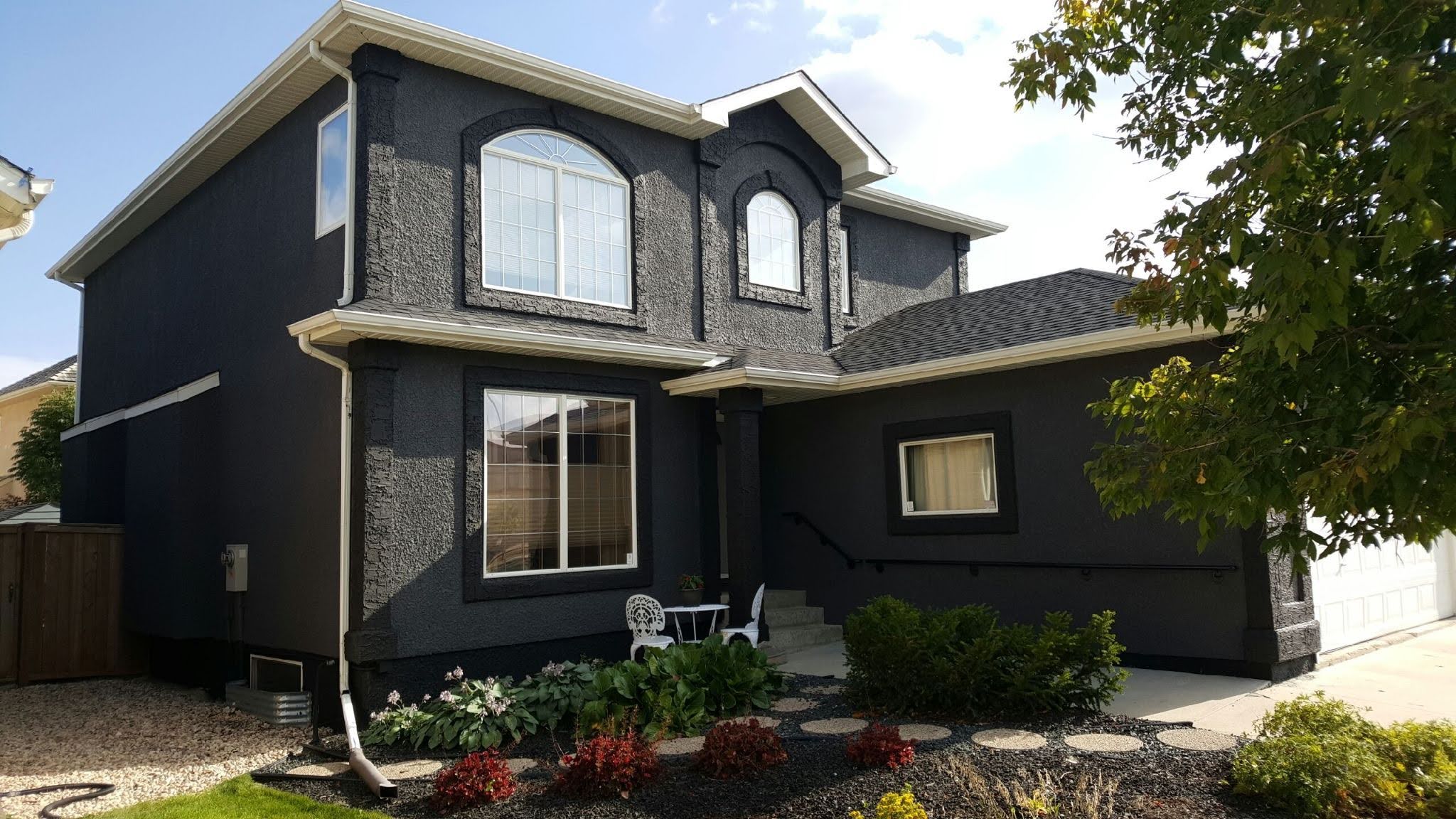
Inspect the wall, fix water-entry problems, clean away dirt and loose coatings, repair suitable cracks, and allow the surface to dry and repairs to cure. Then use a compatible primer and exterior coating within the product’s weather limits. Painting can refresh sound stucco; it can’t repair leaks, loose material, or ongoing movement.
If your exterior looks tired, preparation matters more than a quick colour change. This guide explains how to check the wall, choose a compatible coating, and plan around Winnipeg weather. For professional coating options, explore our services for stucco coating in Winnipeg.
Should You Paint, Repair, Or Recoat Your Stucco?
Start with the condition of the wall. Fading may call for a new coating, while peeling, recurring cracks, or damp patches need attention before you choose a colour.
Use this checklist to decide what needs to happen first:
| Condition | Next Step |
|---|---|
| Faded colour; firm, stable wall | Consider coating after normal preparation. |
| Powdery paint residue | Remove chalking and confirm a sound surface. |
| White deposits or returning stains | Investigate moisture and remove deposits before coating. |
| Peeling paint or loose patches | Remove failing material, repair, and check remaining adhesion. |
| Growing cracks, bulges, or soft areas | Have the wall assessed before painting. |
Identify the wall system too. Traditional cement stucco, acrylic finishes, and EIFS can require different repairs and coatings. EIFS is an insulated wall system. A hollow tap sound alone doesn’t prove damage; confirm the assembly and look for other signs of failure.
How To Prepare Stucco For Painting: 5 Steps
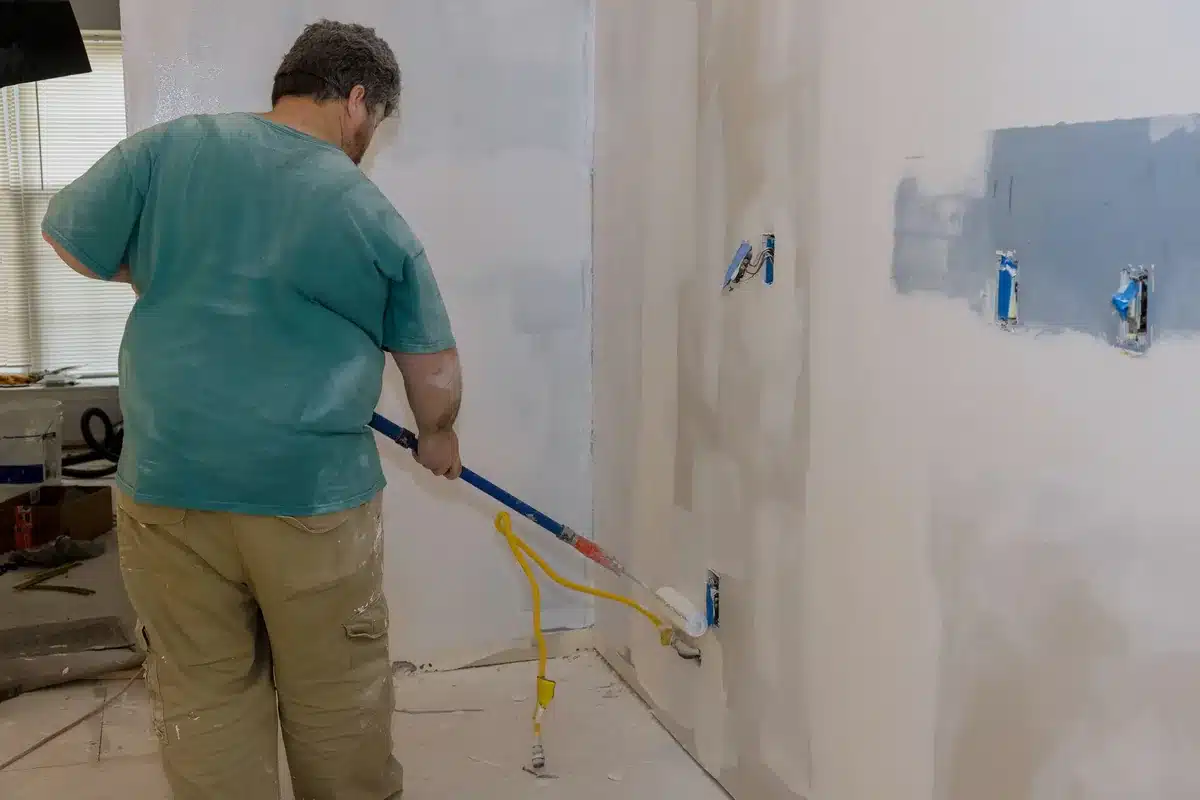
Before starting, gather an approved cleaner, soft brush, masking materials, compatible repair products, brushes or rollers, and suitable access equipment. Confirm the primer and finish before buying materials:
1. Inspect The Wall & Address Water Entry
Walk around the house in daylight. Check cracks, window and door edges, lower walls, and areas below roof runoff. Note where staining returns after rain. Fix the cause of active water entry before coating; covering a stain won’t stop the leak.
2. Protect Nearby Surfaces & Clean Gently
Protect windows, doors, fixtures, walkways, and plants. Use a cleaner approved for the existing finish, test a small hidden area, and rinse thoroughly. A soft brush and controlled, low-pressure washing are safer starting points than an aggressive jet. Treat mildew before painting and avoid driving water into gaps.
3. Remove Failing Coatings & Repair Suitable Cracks
Remove poorly bonded paint and loose material using a method suitable for the wall system. Repair stable surface cracks with a compatible product and blend the patch texture. Wider, growing, or repeatedly reopening cracks need assessment. Don’t fill movement joints indiscriminately or expect paint to hold loose stucco together.
4. Allow Drying & Curing Time
A washed wall must dry; a cement-based patch must also cure. Those are different requirements. Follow the repair and coating manufacturers’ waiting periods and moisture and alkalinity (pH) limits. New stucco can need a much longer wait than an existing painted wall. A surface that feels dry isn’t enough to confirm readiness.
5. Check The Surface Before Priming
The wall should be firm, clean, and dry, with no loose coating, mildew, or powder that interferes with adhesion. Confirm repairs have cured, and the existing finish can accept the new system. If its coating history is unknown, ask for a compatibility and adhesion check before proceeding.
Which Primer And Paint Should You Use On Stucco?
Choose a complete system that suits the wall and its existing finish. An exterior acrylic paint approved for stucco can refresh a sound surface. A specified high-build elastomeric masonry coating can provide additional flexibility and hairline-crack bridging. Neither fixes structural movement or water entering behind the finish.
Acrylic describes what the coating is made from; elastomeric describes its ability to stretch. A coating can be both. Compare the actual product’s approved surfaces, ability to let water vapour escape, required thickness, and compatibility rather than choosing from those words alone.
Primer requirements vary. Bare, porous, and repaired areas may need a specified masonry primer; some coating systems permit direct application under stated conditions. Remove chalking and contamination first. A primer is not a substitute for cleaning or a way to secure a failing coating.
Before coating the whole wall, check a sample for colour, texture, and adhesion after the required cure. Keep a record of the chosen primer, coating, colour, and application instructions so future touch-ups are easier.
How To Apply Stucco Paint Evenly
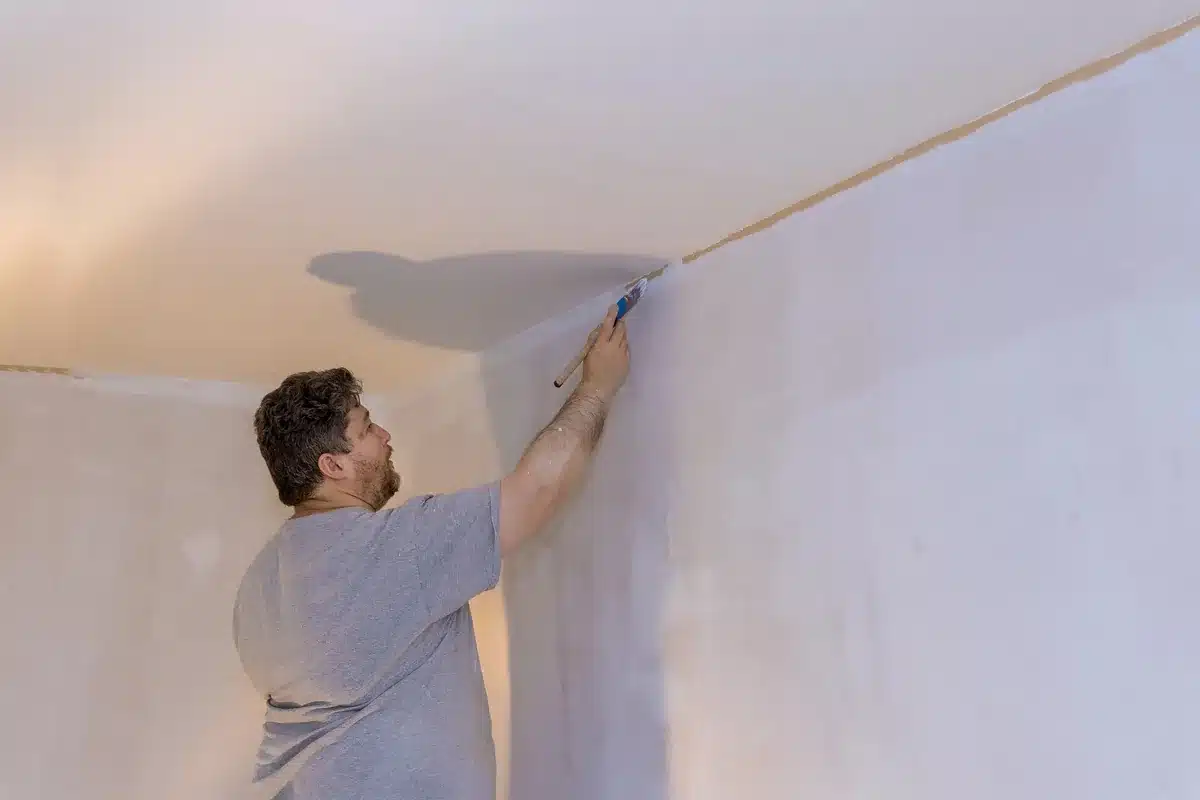
- Prepare safe access and mask adjacent surfaces. Choose a roller nap suited to the texture and cut in around edges.
- Apply at the product’s specified coverage and film thickness. Work material into recesses rather than leaving paint only on raised areas.
- If spraying, back-roll or back-brush while wet where the coating instructions call for it. Check for missed pits and thin areas.
- Keep a wet edge and work toward a corner or another natural break so lap marks are less noticeable.
- Wait the specified recoat time before the next coat. Many repaint systems use two coats; follow the selected system rather than assuming one heavy coat is equivalent.
Estimate paint from exterior wall area, texture, and the product’s coverage rate, not the home’s interior floor area. A useful calculation is: Wall area × number of coats ÷ coverage per litre. Allow for texture and application losses without spreading the coating thinner than specified.
When Can You Paint Stucco In Winnipeg?
Late spring through early fall often provides workable weather, but the forecast and product instructions decide whether a particular day is suitable. Check both air and wall temperatures, including overnight conditions and the required drying period.
- After rain or washing: Let the wall meet the coating’s dryness requirements. Shaded sections can stay damp after sunny sections appear ready.
- Before cool nights or dew: A warm afternoon doesn’t guarantee suitable curing conditions. Allow the specified protection period before rain, dew, or colder temperatures.
- In strong sun or wind: A hot wall or fast drying can make even coverage harder. Follow the coating’s limits and plan the work around wall exposure.
What Should A Stucco Painting Quote Include?
Compare written scopes, not just totals. Two quotes can describe very different amounts of preparation and coating. Ask each contractor to identify:
- The wall condition, included repairs, and how unresolved moisture or movement will be handled
- Cleaning, removal of failing paint, masking, and protection of surrounding surfaces
- The named primer and finish products, coat count, and required coverage or film thickness
- Access equipment, weather allowances, cleanup, and the expected sequence of work
- Any workmanship warranty offered, its exclusions, and the maintenance information you will receive
If damage is extensive, weigh repair against replacement before committing to paint. Our guide to comparing siding materials in Winnipeg explains other cladding options. For a broader look at winter performance, see the best siding for cold climates.
Stucco Painting FAQs
How long should stucco dry after washing?
There is no reliable one-day rule for every wall. Texture, shade, weather, and moisture in the wall affect drying. Use the selected coating’s moisture requirements and allow extra time where conditions slow drying.
Can you paint stucco without priming it first?
Sometimes, the chosen coating permits direct application to that surface. Bare stucco, repairs, or uneven absorption may need a specified primer. Check the full system instructions before skipping it.
What paint works best on exterior stucco?
Use an exterior coating approved for your wall system and existing finish. Ordinary exterior acrylic paint and high-build elastomeric coatings serve different needs; the condition of the wall and the product specifications determine the choice.
Can you paint over hairline cracks?
Assess the crack first. A stable surface crack may be suitable for repair or a specified crack-bridging system. A crack that grows, reopens, or appears with staining needs its cause investigated before coating.
Will stucco paint make a leaking wall waterproof?
A suitable coating can help resist wind-driven rain at the surface, but it doesn’t replace sound flashing, joints, or drainage. Water entering behind the finish must be addressed separately.
Will painting hide every stucco repair?
No. Paint changes colour more readily than texture. A patch that is smoother or rougher than the surrounding stucco may remain visible. Agree on a sample repair and the finish expectations before the full job.
How often should stucco be repainted in Winnipeg?
There is no single interval for every coating. Inspect periodically for fading, chalking, cracks, and peeling. Exposure, preparation, product choice, and maintenance determine when another coat is needed; a standard repaint and a high-build coating may have different service lives.
What affects the cost of stucco painting?
Wall area, repairs, old-paint removal, coating specification, and access all affect the quote. Compare the same preparation and coating scope rather than relying on a price based only on the home’s floor area.
Plan Your Stucco Coating Project With Nisby
A good stucco project starts with knowing what the wall needs. Contact Nisby Home Renovations to discuss coating options for your Winnipeg home. When requesting a quote, share photos, approximate wall area, and any recurring cracks, peeling, or moisture concerns so the scope can address more than the colour.Request Your Stucco Quote